








Onions are one of the most widely used vegetables in everyday cooking, yet they often begin sprouting long before they are used. A few weeks later, some bulbs turn soft while others develop mould or an unpleasant smell. It is a common kitchen problem that leads to unnecessary food waste. Although sprouted onions are not always unsafe to eat, they slowly lose their flavour, texture and overall quality. Early sprouting is often caused by storage conditions rather than the onions themselves, such as heat, excess moisture and poor airflow.
6 simple storage tricks to prevent onions from sprouting
According to the National Onion Association (NOA), a few simple storage habits can help onions stay firm and fresh for much longer. Here are six practical ways to reduce sprouting too soon.
1. Store onions in a cool and dry place
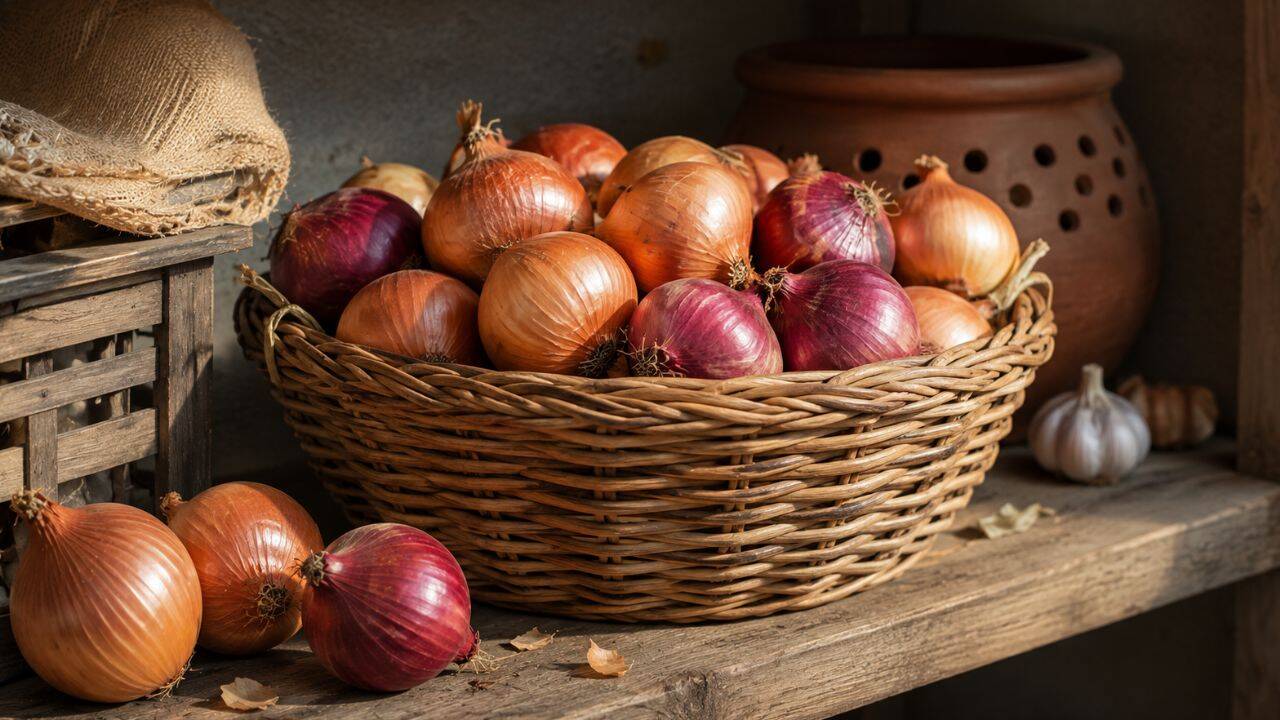
Temperature has a direct effect on how quickly onions begin sprouting. A cool, dry, and dark location helps keep the onions lasting longer. A pantry, cupboard, or well-ventilated storeroom usually provides suitable conditions. Warm kitchens, windowsills, and places exposed to direct sunlight encourage faster sprouting because they raise the temperature around the onions. Keeping them in a consistently cool environment helps preserve both flavour and texture.
PC: AI Generated
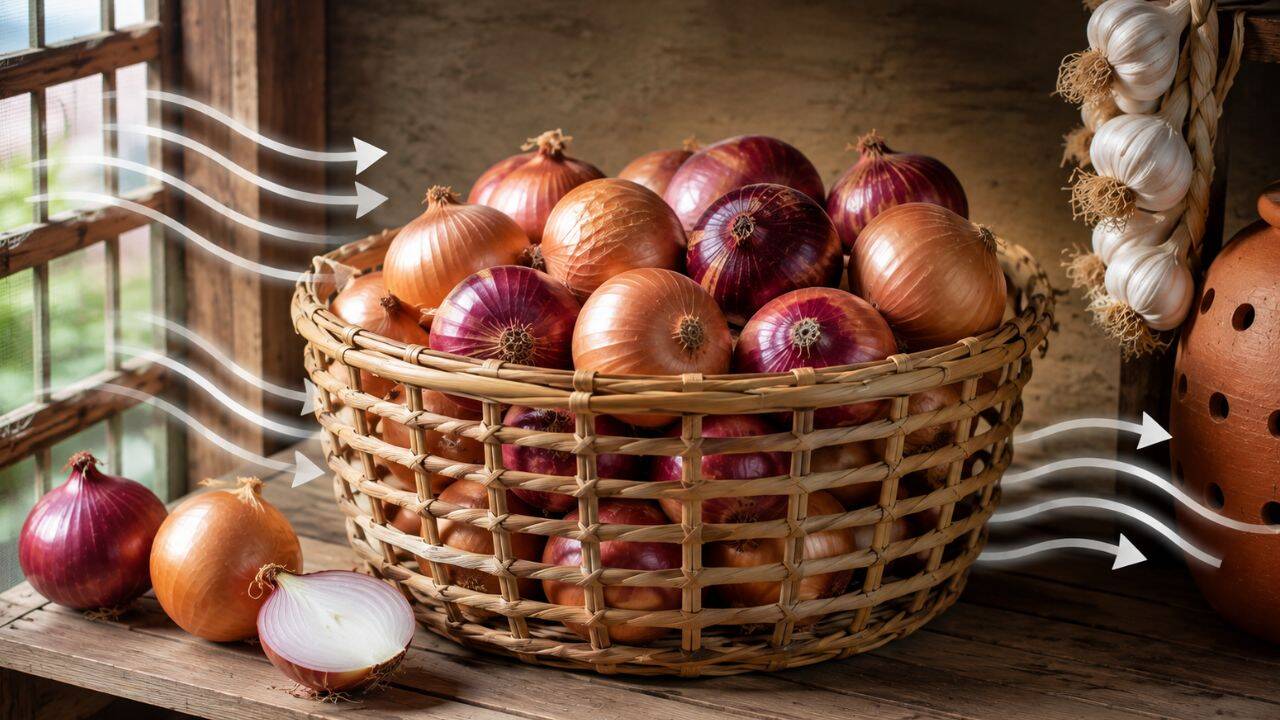
2. Good airflow keeps onions fresher
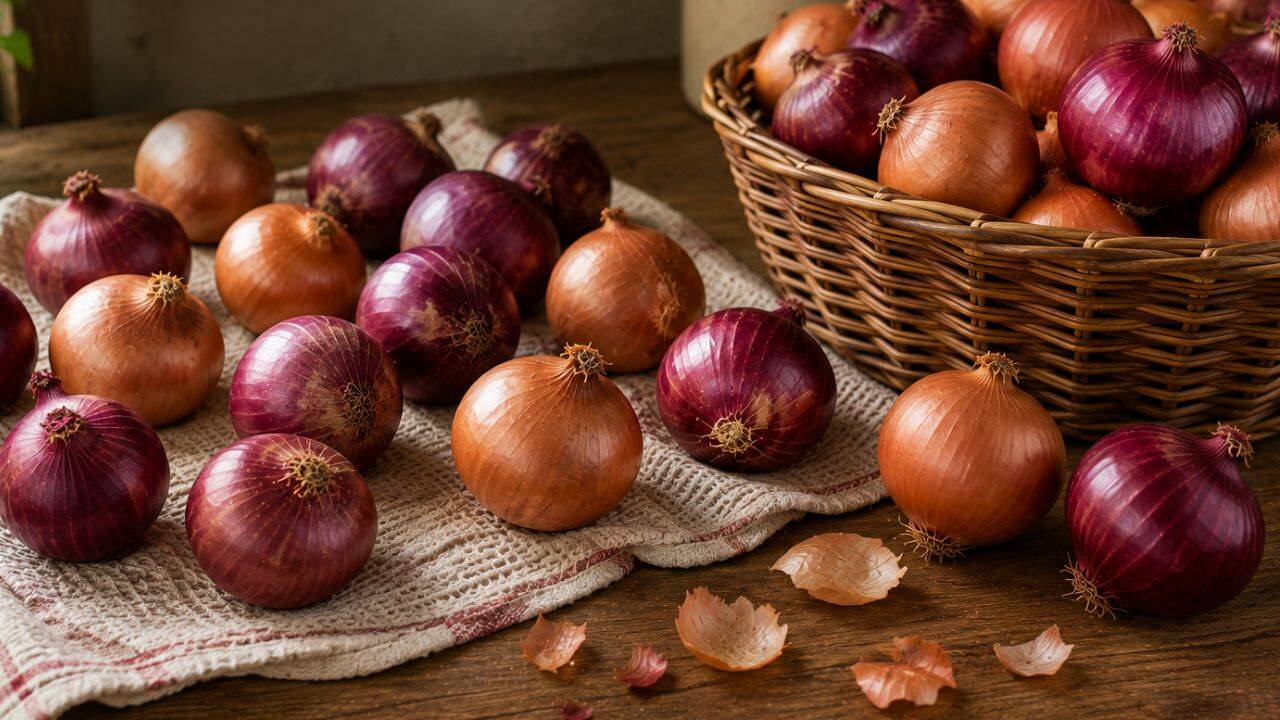
Onions continue to release small amounts of moisture after harvest. Without proper ventilation, that moisture becomes trapped around the bulbs and creates conditions that encourage mould and early sprouting. Wire baskets or open wooden crates allow air to circulate freely while keeping the onions dry.
PC: AI Generated
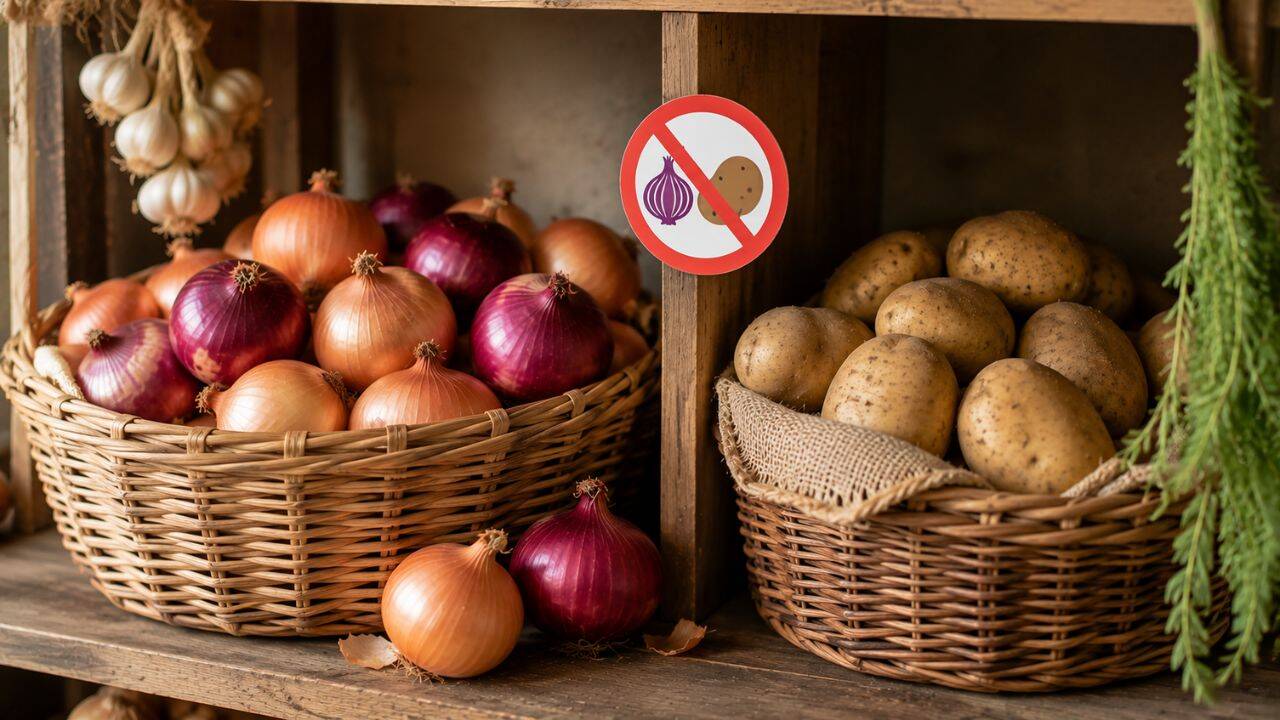
3. Keep onions away from potatoes
Onions and potatoes may seem like natural storage partners, but they actually shorten each other’s shelf life. According to NOA, potatoes release moisture and ethylene gas as they age, and those natural emissions encourage onions to sprout and spoil much sooner. Storing the two vegetables in separate containers and different parts of the pantry helps both remain fresh for longer.
PC: AI Generated
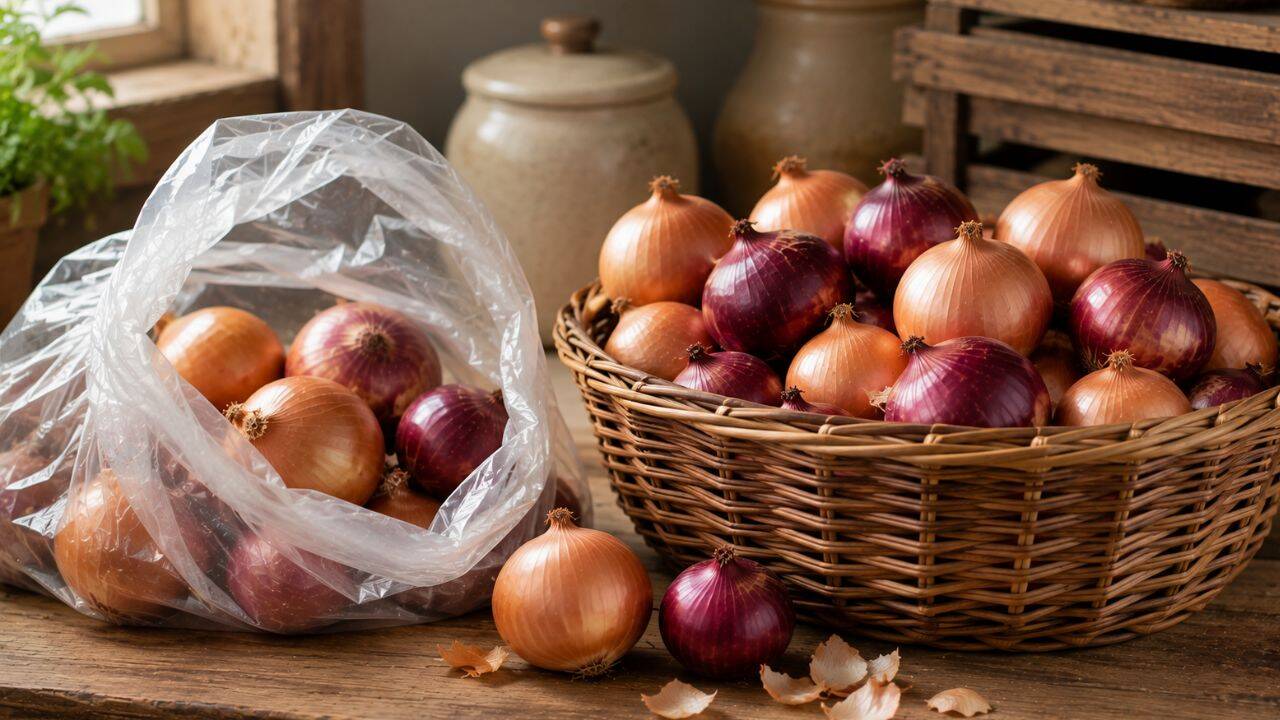
4. Remove onions from plastic bags after bringing them home
Plastic packaging is convenient for transport but not for long-term storage. The extra moisture increases the chances of mould, soft spots and premature sprouting. Transferring onions into an open bag or open basket as soon as they are brought home creates a much better storage environment and helps increase their shelf life.
PC: AI Generated
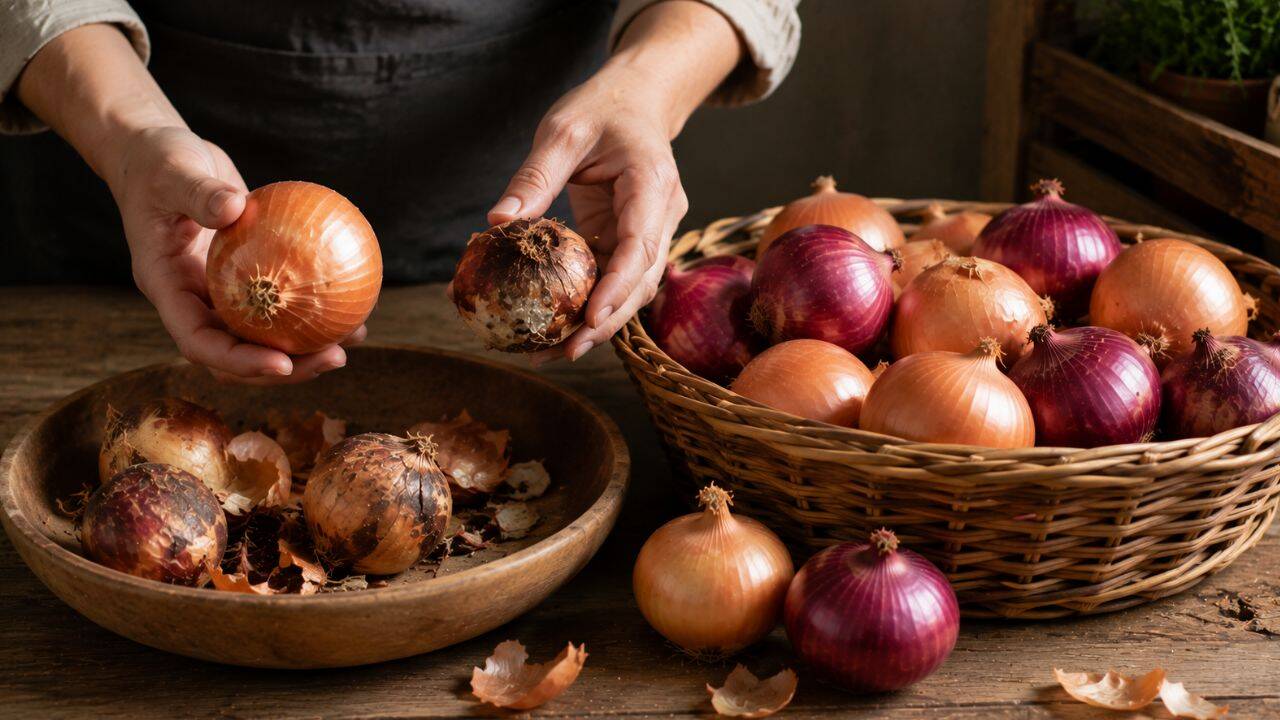
5. Remove damaged onions before storing the batch
A single damaged onion can quickly affect the rest of the bag. Bruised or cut bulbs lose moisture more rapidly and often begin developing mould. The onions should be checked before storing them or placing them aside if there are any cuts or visible damage, as that will reduce the risk of spoilage.
PC: AI Generated
6. Make sure the onions are completely dry
Moisture on the outer skin increases fungal growth and shortens storage life. If onions are washed or exposed to rain, they should be allowed to dry before being stored. Even a small amount of trapped moisture can encourage mould over time. The onions should be dried naturally in a well-ventilated space, which helps them remain firm and slows the conditions that lead to sprouting.
PC: AI Generated