







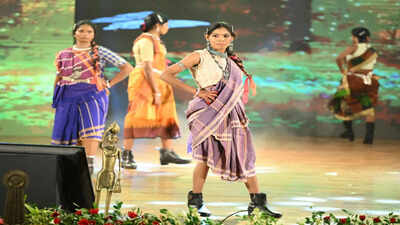
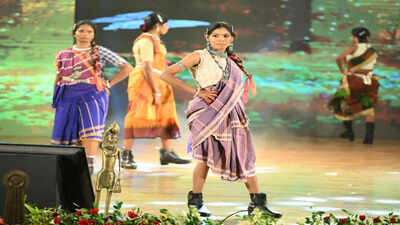
What a difference a few years can make. At a National Handloom Day event in Raipur, a group of former women Maoists from Chhattisgarh’s Bastar region found themselves in a setting that would once have seemed almost unimaginable – walking a fashion ramp in front of a packed audience.Dressed in traditional Chhattisgarhi handloom outfits and Kosa silk, the women walked alongside professional models and were met with loud applause at the Pandit Deendayal Upadhyay Auditorium. For them, though, this wasn’t simply about clothes or a few minutes on a stage. It marked another step into a life far removed from the conflict they had once known.The event brought together fashion and local craftsmanship, but the women quickly became one of its biggest talking points.Their journey from areas affected by Left Wing Extremism to a public stage in the state capital made the runway walk especially striking. Many of the participants had spent years in remote forest areas before surrendering and entering rehabilitation programmes. Now, they’re being given opportunities to learn new skills, work with organisations and build lives outside the insurgency.
From forests to the runway
For some of the women, the trip to Raipur was a first. They came from rehabilitation centres in Bastar and had never imagined themselves walking in front of hundreds of people, let alone alongside professional models.There were nerves at first.The participants went through a week-long grooming and training programme before the event. A professional trainer from Mumbai worked with them on walking, body language and confidence. What started with hesitation gradually turned into something much more assured.The change was visible when they finally stepped onto the ramp.Madvi Malle, one of the participants, said she was nervous when the training began but became more confident with regular practice. Walking the ramp, she said, felt wonderful.Another participant, Punem Deve, said she had never imagined walking in front of such a large crowd. The respect she received during the event, she said, encouraged her to keep moving forward.And that sense of confidence was perhaps the most memorable part of the evening.
More than just a fashion show
The handloom event was designed to showcase Chhattisgarh’s textile traditions, including its much-loved Kosa silk. But the presence of the former Maoist women gave the occasion another layer.These weren’t professional models who had spent years preparing for the runway. They were women rebuilding their lives after leaving a violent and difficult past behind.Their participation turned the fashion show into a very public reminder that rehabilitation can mean more than simply surrendering weapons or leaving an insurgent group. It can also mean learning how to live, work and participate in everyday society again.Chief Minister Vishnu Deo Sai met the participants during the event and wished them well as they begin this new chapter.The response from the audience was warm, with the women receiving enthusiastic applause as they walked in the traditional outfits.
The internet noticed
Videos from the event quickly began circulating online, with many users reacting to the contrast between the women’s past and their appearance on the runway.Some called the moment a powerful example of empowerment and rehabilitation. Others said they were surprised by the transformation and felt stories like these deserved more attention.One social media user described the scenes as something they could hardly have imagined a few years ago. Another praised the people involved in helping the women rebuild their lives and questioned why such stories don’t receive wider coverage.The reactions also reflected the complicated history of Bastar, a region that has lived with Left Wing Extremism and conflict for decades.For the women on that stage, however, the focus appeared to be somewhere else.They weren’t there to talk about their past. They were there to show what they could do now.And perhaps that’s what made the runway walk so powerful. The clothes represented Chhattisgarh’s handloom traditions, but the women wearing them represented something beyond fashion – the possibility of starting again.From navigating conflict-affected forests to learning runway walks and appearing before a crowd in Raipur, their journey has taken an unexpected turn.This time, the spotlight was theirs.