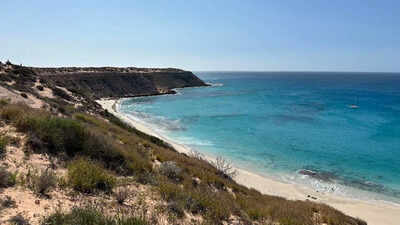









Feral cats erased 11 native species from this Australian island. Scientists are bringing back two truffle-eating marsupials to rebuild it |

Two threatened marsupials are being reintroduced to the Shark Bay World Heritage area in order to advance species conservation and ecosystem restoration. A new study from Edith Cowan University (ECU) confirmed that the presence of fungal food resources is important for supporting this effort.The study published in the journal Ecosystems and led by Edith Cowan…

Read More

AI can become more biased than humans while choosing who gets hired; study finds |

Artificial intelligence is increasingly being trusted to help employers screen CVs, rank candidates and even conduct early-stage interviews. The promise is simple: AI can process thousands of applications quickly, reduce administrative workloads and, in theory, make hiring decisions more objective than humans. According to a recent review by MIT Technology, based on the 2024 study…

Read More

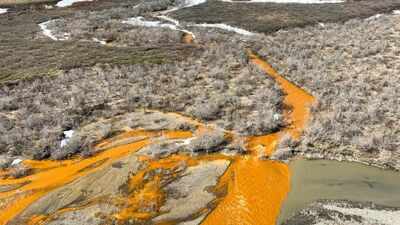
Alaska’s crystal-clear rivers are turning vivid orange: Metal pollution is creating ‘rusting’ waterways, threatening wildlife, habitats and drinking water |

Image Credit: Josh Koch/USGS In the heart of Alaska’s wilderness, a transformation is happening because of which the scientists and local communities are deeply concerned. The once-fresh, crystal-clear rivers of the Brooks Range in northern Alaska are rapidly turning into a vivid, rusty orange colour. According to the U.S National Park Service, this transformation, visible…

Read More

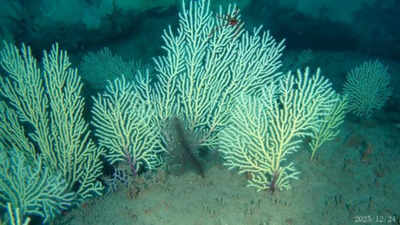
Scientists marked this West African coral reef as probably dead in the 1960s; underwater drones found it alive more than 50 metres below the sea

An image of the rediscovered coral reef by Gérard Zinzindohoué (Photo: Gérard Zinzindohoué) A deep-water coral reef off the coast of West Africa that was believed to be dead for six decades has been discovered alive and thriving more than 50 metres below the ocean surface.The forgotten reef was first identified off the coast of…

Read More

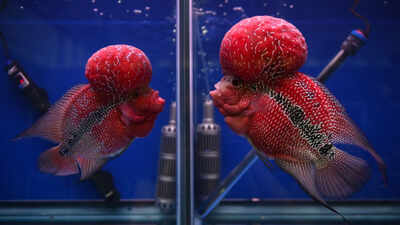
A human-bred aquarium fish prized for its bright colour and head hump has escaped into a Philippines crater lake, where scientists fear it may threaten native biodiversity

Flowerhorn cichlids are aquarium fish prized for their bright-gold colour and prominent head humps. Photograph: Lillian Suwanrumpha/AFP/Getty Images A human-bred aquarium fish prized for its bright gold colour and distinctive head hump has escaped into a volcanic crater lake in the Philippines, where scientists fear it is threatening native wildlife and spreading into local aquaculture.Flowerhorn…

Read More

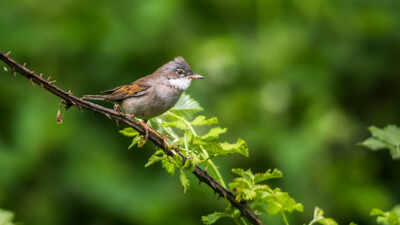
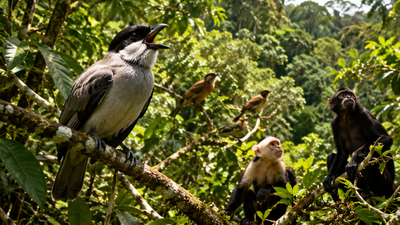
‘Internet of the forest’: Scientists discover birds and monkeys in the Amazon have developed a natural communication network to share danger warnings and protect each other from predators |

The Amazon rainforest is never truly quiet, and its endless chorus of chirps, whistles and calls may carry far more information than humans realise. Scientists studying wildlife in the Peruvian Amazon have uncovered a remarkable network in which birds and primates pick up information from one another’s alarm calls when predators appear. Small canopy birds…

Read More