







Painted walls can slowly lose their clean appearance even when the rest of a room looks tidy. Doors, light switches, and frequently used areas are often the common areas for fingerprints. In kitchens, the problem can be more noticeable because cooking grease can settle on nearby surfaces, which makes fingerprints harder to remove. Cleaning these marks is not very difficult, but the wrong product can create a bigger problem. Strong cleaners may affect the paint, while rough sponges can leave scratches or shiny patches. The safest approach is to start gently and use as little moisture as possible. Here are five simple cleaning methods that can help reduce greasy marks while keeping the paint looking even and undamaged.
5 simple ways to remove greasy fingerprints from painted walls without leaving marks
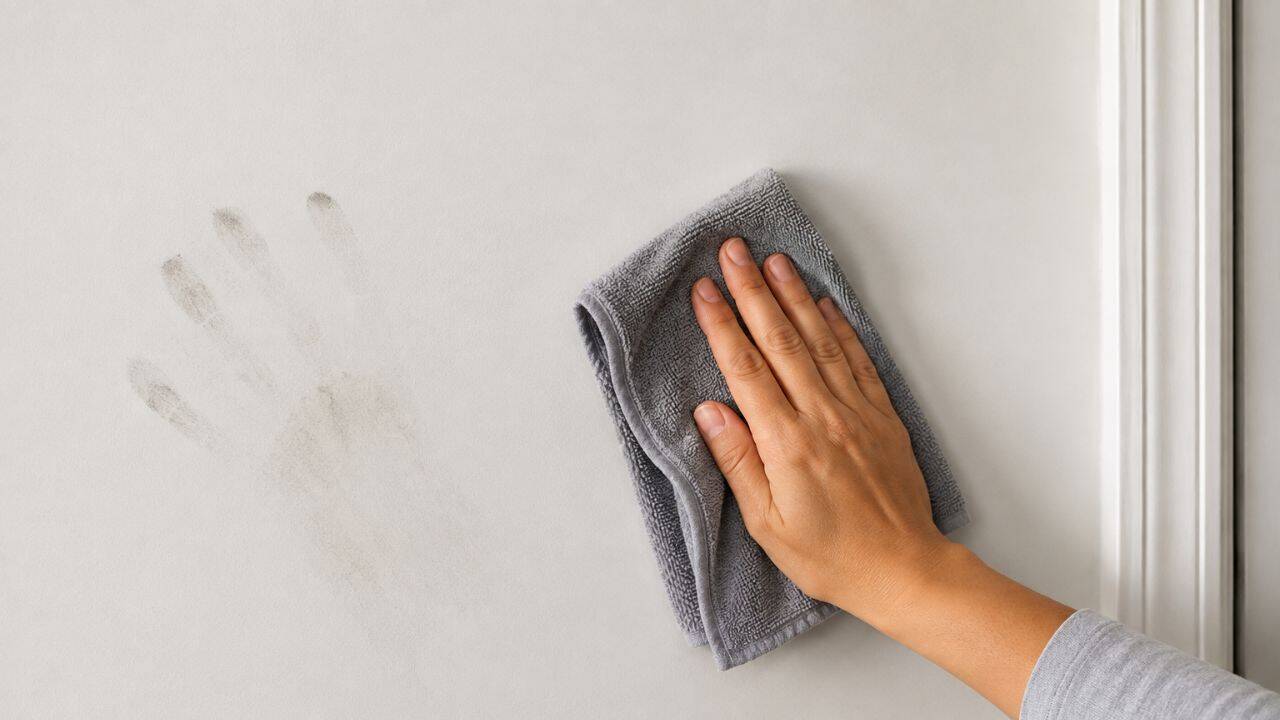
1. Use a dry microfibre cloth
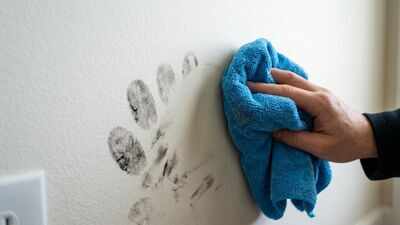
Fresh fingerprints may contain only a thin layer of oil and dirt. A clean, dry microfibre cloth can reduce these marks without the need for any cleaning product. Gently wipe the affected area rather than rubbing repeatedly on a spot. This is mainly useful for delicate painted walls where excessive moisture can create visible patches.
PC: AI Generated
2. Use mild dish soap with warm water
For more noticeable grease, mix a small amount of mild dish soap with warm water. Dip a soft microfibre cloth into the solution and wring it out thoroughly so it is only damp. Gently wipe the fingerprint and use another cloth dampened with plain water, then quickly dry the area to prevent moisture marks.
3. Try a diluted vinegar solution for stubborn marks
A mild vinegar solution can help with some greasy marks when soap and water are not enough. Mix a small amount of white vinegar with water and apply it to a cloth rather than directly to the wall. Wipe gently and avoid soaking the paint. Because vinegar is acidic, testing it on a hidden area is considered important.
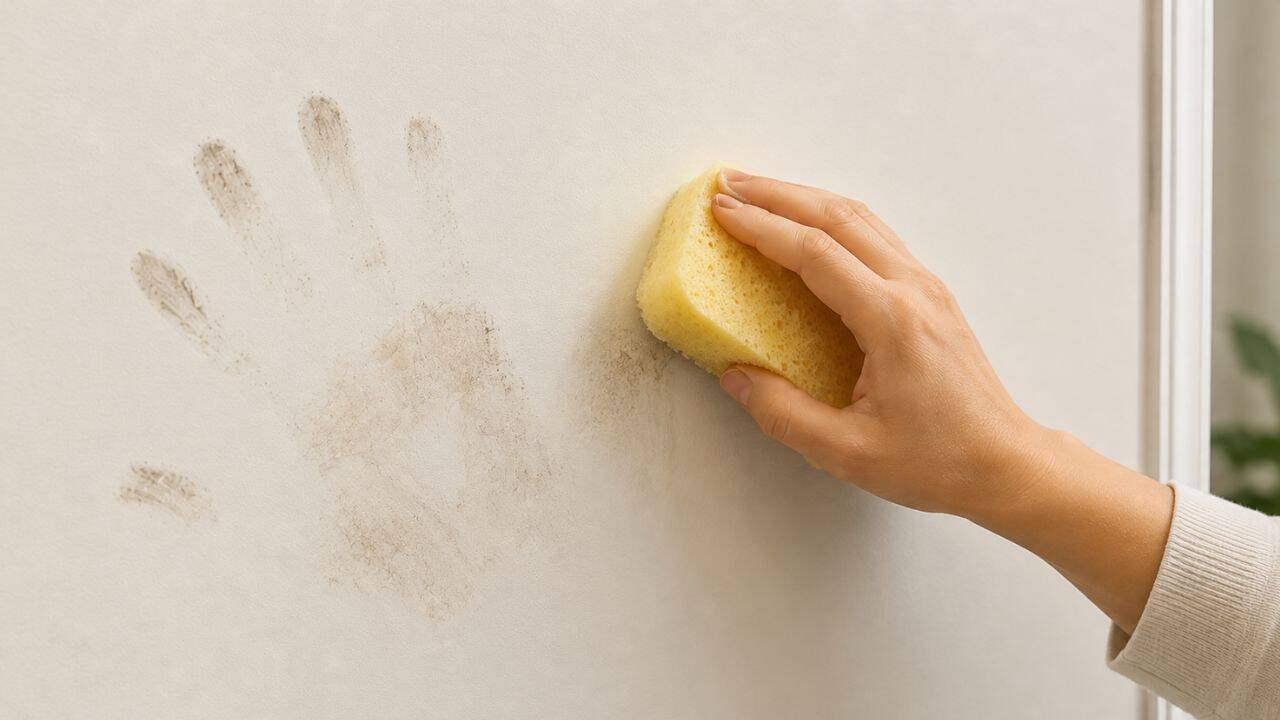
4. Use a soft sponge for dried-on grease
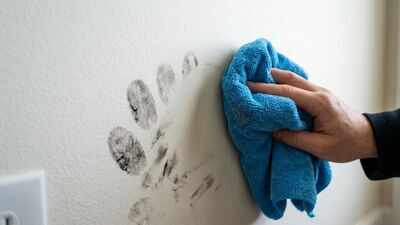
Old fingerprints may have collected dust and become more difficult to remove. A soft, non-abrasive sponge can help loosen this residue after the area has been lightly dampened with soapy water. Gentle pressure is enough. The sponge should never be used aggressively because repeated scrubbing can change the texture or finish of painted surfaces.
PC: AI Generated
5. Dry the wall immediately after cleaning
Moisture should not be left sitting on painted walls after cleaning. Once the grease has been removed, use a clean, dry microfibre cloth to absorb any remaining water. Drying also helps prevent streaks and uneven patches. This is mainly important for the flat paints, which can show water marks more easily than washable finishes.
4 mistakes to avoid when cleaning greasy fingerprints
1. Scrub the wall gently
Hard scrubbing may remove the fingerprint but can also damage the paint. It can leave a lighter patch or create a different patch from the surrounding surface. Grease should first be softened with a mild cleaning solution. Gentle repeated wiping is safer than trying to remove the mark with force.
2. Do not use strong household cleaners
Kitchen degreasers, bleach, and other strong household cleaners are not considered gentle for painted walls. They may remove the paint or change its colour. Unless the paint manufacturer specifically recommends a particular product, mild soap and water are a safer starting point for everyday greasy marks.
3. Do not use abrasive cleaning pads
Rough sponges can scratch or dull painted surfaces. Even when they appear to remove grease effectively, they can leave a noticeable patch that is difficult to remove. Soft microfibre cloths and non-abrasive sponges are better suited to painted walls.
4. Always test the cleaning method first
A cleaning method that works safely on one type of paint may damage another. Different kinds of finishes can respond differently to moisture and cleaning products. Testing a small hidden area first is one of the simplest ways to avoid creating a larger visible patch while trying to remove a small fingerprint.