






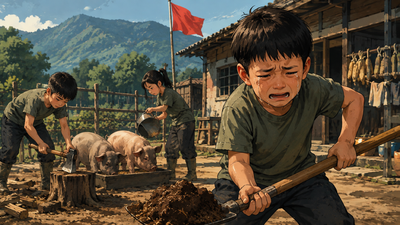
For some children, summer holidays mean video games, swimming pools and long mornings in bed. In parts of China, however, a growing number of parents are choosing a very different kind of summer break- one that involves farm work, physical labour and strict routines. In clips circulating online, some children at these camps can be seen crying and appearing overwhelmed as they struggle with the unfamiliar work and ask to go home.“Hardship camps” are drawing attention in China as parents pay thousands of yuan to send their children to rural areas, hoping that a few days of difficult chores will make them more appreciative of their comfortable lives and their families.
28 Jul 2026 | 16:22
How do you teach children about money and financial responsibility?
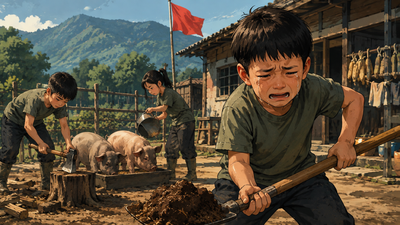
According to a report by the South China Morning Post, these camps have become increasingly popular this summer, particularly in southwestern provinces including Sichuan, Guizhou and Yunnan. Children are given tasks designed to resemble everyday rural work, from digging and selling potatoes to peeling bark and feeding pigs.
Paying to experience a harder life
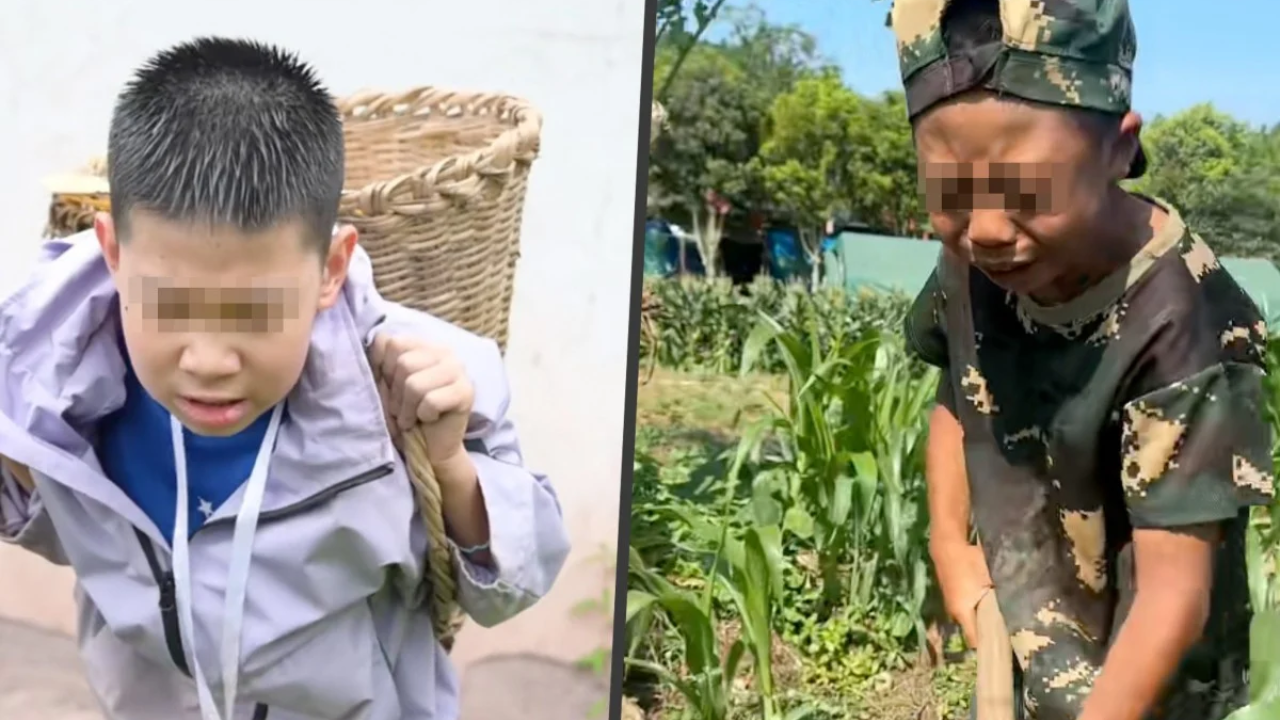
Photo courtesy: South China Morning Post
The unusual part is that the children are not being sent to the countryside to earn money. Their parents are paying for them to work. SCMP reported that one camp charges more than 4,000 yuan (around rupees 56,000) for a 10-day programme, while longer stays of up to a month can cost more than 10,000 yuan (around rupees 1.5lakh).The camps operate with strict routines. Phones may be taken away, supplies can be distributed according to how much work a child completes, and children who fail to finish their assigned tasks may face simple meals such as potatoes.The idea, organisers say, is not simply to make children work hard. It is to give them a glimpse of the effort involved in earning a living and maintaining a household- something that can be difficult for children growing up with considerable comforts to understand.
From city classrooms to farm fields
Videos from these camps have attracted attention online, particularly because some children appear overwhelmed by the experience.In some clips, children are seen crying or asking to go home. One child reportedly expressed a willingness to do homework instead of farm work, saying they would do almost anything as long as it did not involve working on a farm. The camps also ask some children to write letters to their parents. According to a camp staff member cited by SCMP, parents are often moved by the videos and letters and may recommend the experience to other families.For some parents, that emotional reaction is part of the point.A father from Sichuan, identified by SCMP as Gao, sent his daughter, a first-year secondary school student, to one such camp. Although she complained frequently, he was surprised to find that she eventually enjoyed some of the farm work. Another mother from Shanghai sent her seven-year-old daughter for 10 days. She acknowledged that the experience did not completely change her daughter’s picky or lazy habits, but felt that it had nevertheless pushed her outside her comfort zone.
Why are parents choosing hardship?
At the heart of the trend is a familiar parenting dilemma: how do you teach children to value what they have when they have never experienced having less? For some Chinese parents, the answer appears to be temporary discomfort.As per SCMP, one online commenter described the camps as an attempt by a generation of parents to show their children the difficulties they themselves experienced while growing up. The argument is simple: parents worked hard to give their children easier lives, but perhaps that comfort has also made it harder for children to understand the value of work.The camps therefore sell something unusual- not comfort, entertainment or academic enrichment, but an experience designed to make children uncomfortable.
But not everyone is convinced
The trend has also triggered concern, notes the SCMP report. Critics argue that children growing up in cities may benefit from learning about rural life and everyday labour, but that excessive physical work could place unnecessary pressure on them.That raises a larger question about where the line lies between teaching resilience and deliberately creating hardship.For parents, the appeal of these camps may lie in the hope that a short spell of discomfort can teach a lasting lesson about gratitude. But whether children learn to appreciate what they have- or simply remember being forced to chop wood and feed pigs- may depend on how the experience is designed and what happens after they return home.For now, the unusual summer camps have struck a chord in China, offering parents a very literal way of telling their children: sometimes, understanding how hard life can be begins with stepping outside the comfort zone.