









People often set aside sadness, anxiety or disappointment as they feel compelled to suppress these emotions to be socially acceptable. Whereas cheerfulness and positivity are expected, sadness or worry can feel awkward and out of place. This leads to people hiding their feelings and bottling up their emotions without dealing with them. A 2020 meta-analysis, Ironic Effects of Thought Suppression, published in Perspectives on Psychological Science by SAGE Journals, pooled 31 studies and found that thought suppression tends to backfire. This is known as a rebound effect in which thoughts that people attempt to suppress can become more accessible after suppression. What actually happens is that, if you try to get rid of a thought, ironically, you experience greater levels of occurrence and accessibility of the thought. This rebound effect is observed regardless of cognitive load.Toxic positivity is overgeneralisation of state of mind that encourages using positivity but to suppress and displace any acknowledgement of stress and negativity. Toxic positivity results in minimising one’s own negative feelings and suppressing negativity instead of acknowledging, processing and working through it. For example, telling someone that positive thinking will solve all their problems or shaming someone for expressing negative emotions. This suppression of emotions is not only unhelpful but can lead to poorer self-recovery from negative effects of the emotion. Psychologists suggest that acknowledging uncomfortable thoughts rather than fighting them can be a more constructive approach to emotional well-being. Suppressing your emotions and trying to keep a toxic-positive attitude can lead to:1. Rise in stress and tension
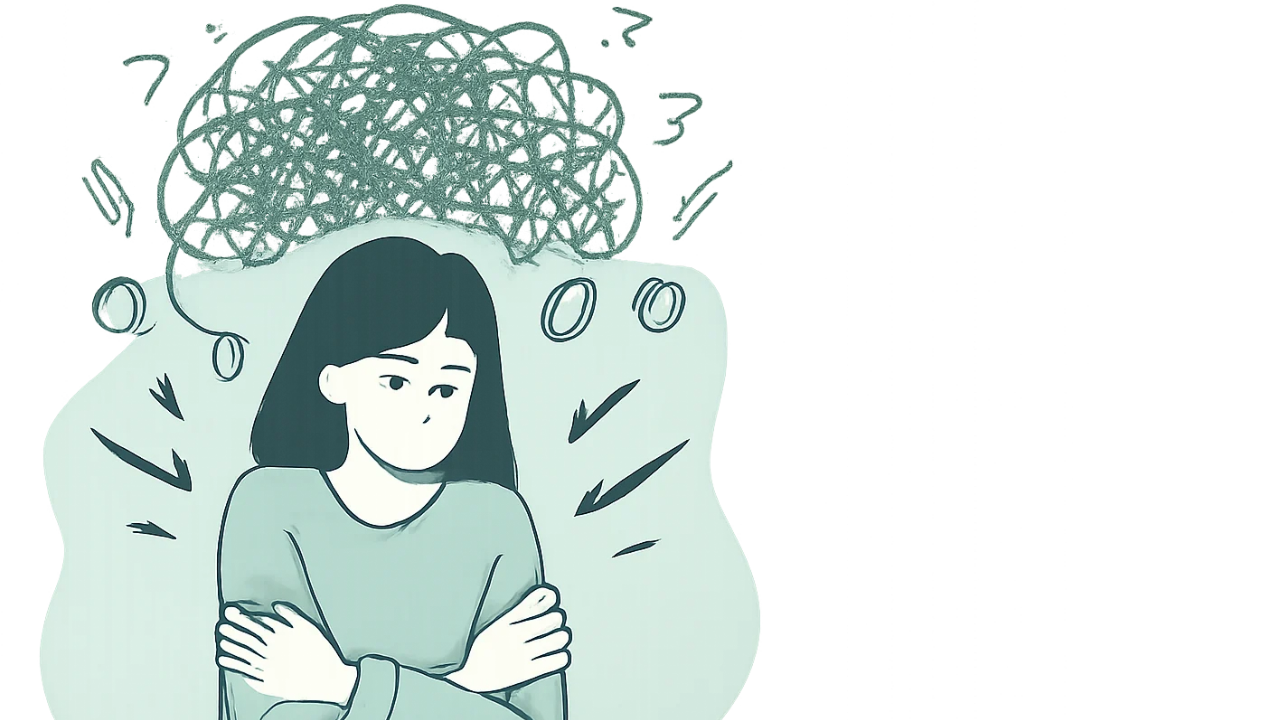
Image credits: Canva AI
Feelings that are unacknowledged do not just disappear; one carries them around. This can leave them feeling on the edge or drained.2. Emotional outburstSuppressed emotions can build up over time and can spill out of control. These emotions left unexpressed may remain beneath the surface, but at some point one may need an outlet to let it out and feel lighter. Minor disagreements may trigger far bigger reactions because one was holding back for a long time. This may lead to confusion, embarrassment or guilt.3. Anxiety or low moodIf one constantly pushes their feelings away, it can make them anxious. These sad thoughts may even feel heavier over time, and one may feel clueless about why they are feeling so low.4. Strained relationshipsIf one hides their feelings, others may not understand what they actually need, and they may end up feeling distant or misunderstood.5. Physical symptoms
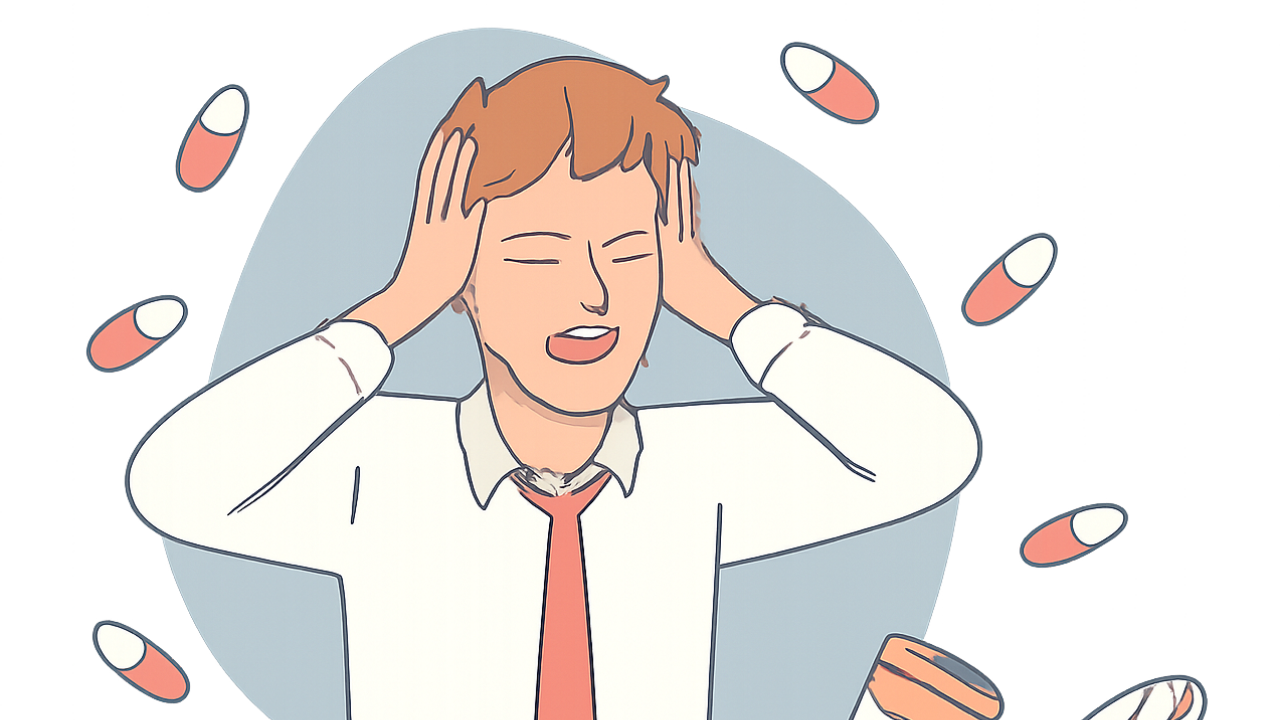
Image credits: Canva AI
Some people notice headaches, muscle aches, poor sleep, or fatigue when they are under ongoing emotional strain.6. Difficulty understanding your own emotionsThe more often feelings are pushed aside, the harder it can become to recognise and name them.
Difference between positive thinking and toxic positivity
Positive thinking and toxic positivity may look similar on the surface, but they work in different ways. Positive thinking gives you hope and a positive outlook, but toxic positivity tries to replace what you feel. Positive thinking is a mindset that focuses on hope coexisting with reality. It accepts that things can be hard, acknowledges the emotions that come with it and then looks for solutions, lessons or reasons to keep going. If one is disappointed with the outcome, a positive way to deal with it can be learning from it and moving on to the next. The feeling should be allowed to be felt and not neglected or suppressed.Healthy optimism is not overrated; a positive mind helps you cope with stressful situations more effectively, reducing harmful effects of stress on the body. When stress hormones stay elevated, they feed chronic stress and its health effects. Since forceful cheering can backfire, it is better to keep an attitude of optimism. As it helps one get through hard things with more resilience, which is grounded optimism. Forced positivity and pushing feelings down can keep stress high. A person who keeps a positive outlook on life can get various health benefits, including:
- Longer lifespan
- Lower rates of depression
- Lower levels of distress and pain
- Greater resistance to illness
- Better psychological and physical well-being
- Better cardiovascular health
- Better coping skills during hardship and stress
Ultimately the goal is not to choose between positivity and honesty. It is to take time, sit beside it and acknowledge the feelings without suppressing them. There is a thin line between positivity that is helpful and positivity that fosters denial and avoidance of our true emotions. Statements such as “Be positive” or “Just be happy” may be spoken with good intent, but they can sometimes be more detrimental than you think. In the book written by an energy healer, “Healed by the Power of Mindshift”, Dr Ektaa Sibal (International Meditation Guru & Gifted Energy Healer) talks about toxic positivity. It mentions that not accepting and acknowledging your true emotions and masking them with constant positivity can be extremely mentally exhausting. This can lead to anxiety and stress as you remain in a constant state of self-deception. In contrast, healthy optimism involves being aware of the true emotion, processing and addressing it with clarity and in a non-judgemental way, and then building a state of positivity or hopefulness within yourself. The goal is not about being cheerful every day but about accepting the truth within ourselves and consciously acting upon it.