









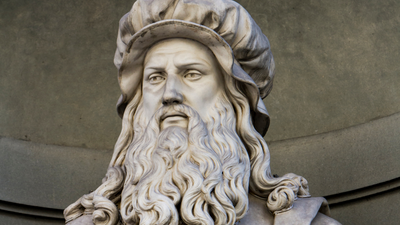
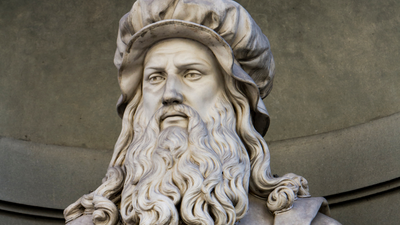
Leonardo da Vinci was an Italian artist popularly known for painting the Mona Lisa and The Last Supper. Beyond just creating art, he also filled notebooks with sketches of anatomy, flying machines, and nature; it is from these notebooks that many of his quotes are taken.He once talked about a profound idea that sticks with you when everyone has hard days, when a job falls through, someone in the family falls ill, or a plan fails just when it seemed to be working.Lets dig in to find out what he said.
Quote of the day
I love those who can smile in trouble, who can gather strength from distress, and grow brave by reflection. ‘Tis the business of little minds to shrink, but they whose heart is firm, and whose conscience approves their conduct, will pursue their principles unto death.
Leonardo da Vinci
What does the quote mean?
Leonardo da Vinci praises people who stay steady when life gets hard. Smiling in trouble does not mean pretending nothing hurts. It means keeping your calm and your hope when things go wrong. To “gather strength from distress” means to treat pain as a teacher instead of letting it break you. To “grow brave by reflection” means to think honestly about what happened, so he advises to face the next challenge with more courage.He further says that small-minded people give up under pressure, while people with a firm heart and a clear conscience stay loyal to what they believe. When he says “unto death”, it is intense, and reflects the dangerous times in which the words were written.
How do these words matter today?
Even today, we feel the pressure of various challenges in our lives; it might be a failed exam, a business that struggles, a health concern, or the constant stress of life. The Vinci does not ask for perfection, but the resilience to never give up.The quote has been widely attributed to Leonardo da Vinci, also sourced from The American Crisis was a series of pamphlets by Thomas Paine, written during the American Revolution to lift the spirits of people in a bleak time. Paine, who lived from 1737 to 1809, was an English-born writer, the versions of this quote has changed over the years but the meaning has hardly changed.